Buy gaestehaus.eu ?
We are moving the project
gaestehaus.eu .
Are you interested in purchasing the domain
gaestehaus.eu ?
domain@kv-gmbh.de · 0541-91531010
Buy gaestehaus.eu ?
Can you provide a clearer explanation for Kant's a priori and a posteriori?
Certainly! In philosophy, a priori knowledge is knowledge that is independent of experience, meaning it can be known to be true without needing to be verified through observation or experimentation. A posteriori knowledge, on the other hand, is knowledge that is derived from experience or empirical evidence. Kant argued that a priori knowledge is based on innate concepts and principles that are necessary for understanding the world, while a posteriori knowledge is contingent on sensory experience. **
Can someone explain to me what exactly a priori and a posteriori are?
A priori and a posteriori are terms used in philosophy to categorize types of knowledge. A priori knowledge is knowledge that is independent of experience, meaning it can be known to be true or false without needing to be verified through observation or experimentation. A posteriori knowledge, on the other hand, is knowledge that is derived from experience, observation, or empirical evidence. In simpler terms, a priori knowledge is based on reason and logic, while a posteriori knowledge is based on sensory perception and empirical evidence. **

Similar search terms for A posteriori
Top-Angebote
Products related to A posteriori:
-
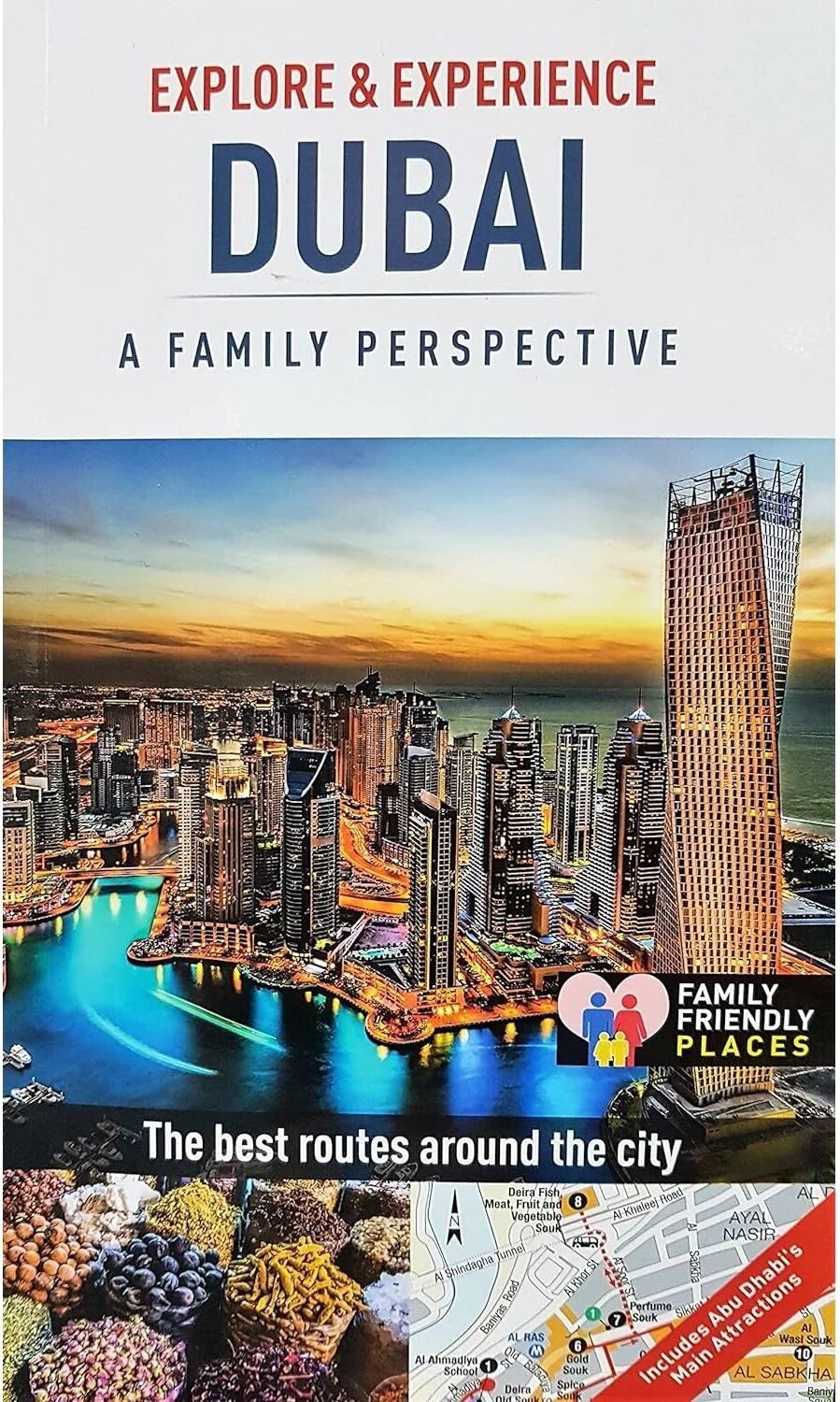
Zoblit Explore & Experience Dubai: A Family Perspective by Tim Blinks - Paperback Travel Guide - Honest Family Travel Insight for a Dubai HolidayExplore Dubai: A Family Perspective is a candid and practical travel account written for families planning a trip to Dubai. Author Tim Blinks draws on real family experience to guide readers through Dubai's attractions, culture, and everyday logistics. This book offers an accessible companion for parents weighing up where to take their children next. It's a useful addition to any travel bookshelf before a Gulf holiday. Written from a first-hand family viewpoint, this paperback shares practical insight into traveling to Dubai with children. Rather than simply listing hotels and landmarks, the narrative reflects on what actually works for families on the ground — from managing the heat and choosing activities suited to different age groups, to navigating the city's mix of ultra-modern development and traditional culture. The book is published by Zoblit and has the ISBN 9781911147411.2,99 £*Shipping: 2,99 £Secure redirect to the provider
-
Can you give a more vivid explanation for Kant's a priori and a posteriori?
Certainly! A priori knowledge refers to knowledge that is independent of experience, meaning it is based on reason and logic alone. This type of knowledge is universal and necessary, such as mathematical truths or the laws of logic. On the other hand, a posteriori knowledge is derived from experience and empirical evidence. This type of knowledge is contingent and particular, as it is based on observations and sensory perceptions. In essence, a priori knowledge is innate and known prior to experience, while a posteriori knowledge is acquired through experience. **
-
Search for a guesthouse.
I recommend using a popular travel website or app such as Booking.com, Airbnb, or Expedia to search for a guesthouse. You can input your desired location, dates, and any specific preferences such as price range, amenities, and guest ratings. These platforms provide a wide range of options and allow you to read reviews and see photos of the guesthouses before making a reservation. Additionally, you can use filters to narrow down your search based on your specific needs and preferences. **
-
'Searching for a guesthouse.'
When searching for a guesthouse, consider factors such as location, amenities, and reviews. Look for a guesthouse that is conveniently located near the attractions or activities you are interested in. Check for amenities such as free Wi-Fi, breakfast options, and parking availability. Reading reviews from previous guests can give you insight into the quality of the guesthouse and help you make an informed decision. **
-
'Hotel or guesthouse?'
The choice between a hotel and a guesthouse depends on the individual's preferences and needs. Hotels generally offer more amenities and services, such as room service, concierge, and on-site restaurants, but they can be more expensive. On the other hand, guesthouses are often smaller, more intimate, and provide a more personalized experience. They are usually more budget-friendly and offer a chance to interact with the local community. Ultimately, the decision between a hotel and a guesthouse comes down to the traveler's priorities and budget. **
How is the booking done at a guesthouse?
Booking at a guesthouse is typically done by contacting the guesthouse directly, either by phone, email, or through their website. Guests can inquire about availability, room options, and rates before making a reservation. Once the details are confirmed, the guesthouse may require a deposit or credit card information to secure the booking. Some guesthouses also use online booking platforms where guests can make reservations and payments directly. Upon arrival, guests may be required to provide identification and complete a registration form before checking in. **
What is the difference between a guesthouse and a hotel?
A guesthouse is typically a smaller, more intimate accommodation option compared to a hotel. Guesthouses are often family-run and offer a more personalized experience for guests. They usually have fewer rooms and common areas, creating a cozy and homely atmosphere. On the other hand, hotels are larger establishments with more rooms and facilities. They often have amenities such as restaurants, bars, gyms, and conference rooms. Hotels cater to a wider range of guests and offer a more standardized experience in terms of service and amenities. In summary, the main differences between a guesthouse and a hotel are size, level of service, and overall atmosphere. **
Top-Angebote
Products related to A posteriori:
-
Wrendale Designs 'A Dog's Life' Thermal Travel CupThe Wrendale Designs Travel Cup features the 'A Dog's Life' illustration with beautiful Dogs on a light coloured background. This thermal travel cup keeps your hot drink warm for up to 12 hours with a screw on top and a flip top cap for easy drinking. Made from stainless steel this travel mug has a capacity of 320ml and is BPA free for peace of mind. Size: 12(H) x 8.5(W) x 8.5(L)cm. Keep in an upright position to avoid leaking.19,80 £*Shipping: 3,50 £Secure redirect to the provider
-
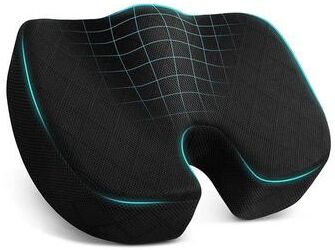
Inspire Essentials Memory Foam Travel Seat Cushion aEnjoy comfortable seating wherever you go with this Memory Foam Seat Cushion. Designed with an ergonomic U shaped design, it helps provide balanced support during long hours of sitting at work, in the car, or while traveling. The breathable fabric...56,48 $*Shipping: 0,00 $Secure redirect to the provider
-
Zoblit Explore & Experience Dubai: A Family Perspective by Tim Blinks - Paperback Travel Guide - Honest Family Travel Insight for a Dubai HolidayExplore Dubai: A Family Perspective is a candid and practical travel account written for families planning a trip to Dubai. Author Tim Blinks draws on real family experience to guide readers through Dubai's attractions, culture, and everyday logistics. This book offers an accessible companion for parents weighing up where to take their children next. It's a useful addition to any travel bookshelf before a Gulf holiday. Written from a first-hand family viewpoint, this paperback shares practical insight into traveling to Dubai with children. Rather than simply listing hotels and landmarks, the narrative reflects on what actually works for families on the ground — from managing the heat and choosing activities suited to different age groups, to navigating the city's mix of ultra-modern development and traditional culture. The book is published by Zoblit and has the ISBN 9781911147411.2,99 £*Shipping: 2,99 £Secure redirect to the provider
-
Can you provide a clearer explanation for Kant's a priori and a posteriori?
Certainly! In philosophy, a priori knowledge is knowledge that is independent of experience, meaning it can be known to be true without needing to be verified through observation or experimentation. A posteriori knowledge, on the other hand, is knowledge that is derived from experience or empirical evidence. Kant argued that a priori knowledge is based on innate concepts and principles that are necessary for understanding the world, while a posteriori knowledge is contingent on sensory experience. **
-
Can someone explain to me what exactly a priori and a posteriori are?
A priori and a posteriori are terms used in philosophy to categorize types of knowledge. A priori knowledge is knowledge that is independent of experience, meaning it can be known to be true or false without needing to be verified through observation or experimentation. A posteriori knowledge, on the other hand, is knowledge that is derived from experience, observation, or empirical evidence. In simpler terms, a priori knowledge is based on reason and logic, while a posteriori knowledge is based on sensory perception and empirical evidence. **
-
Can you give a more vivid explanation for Kant's a priori and a posteriori?
Certainly! A priori knowledge refers to knowledge that is independent of experience, meaning it is based on reason and logic alone. This type of knowledge is universal and necessary, such as mathematical truths or the laws of logic. On the other hand, a posteriori knowledge is derived from experience and empirical evidence. This type of knowledge is contingent and particular, as it is based on observations and sensory perceptions. In essence, a priori knowledge is innate and known prior to experience, while a posteriori knowledge is acquired through experience. **
-
Search for a guesthouse.
I recommend using a popular travel website or app such as Booking.com, Airbnb, or Expedia to search for a guesthouse. You can input your desired location, dates, and any specific preferences such as price range, amenities, and guest ratings. These platforms provide a wide range of options and allow you to read reviews and see photos of the guesthouses before making a reservation. Additionally, you can use filters to narrow down your search based on your specific needs and preferences. **
Similar search terms for A posteriori
-
'Searching for a guesthouse.'
When searching for a guesthouse, consider factors such as location, amenities, and reviews. Look for a guesthouse that is conveniently located near the attractions or activities you are interested in. Check for amenities such as free Wi-Fi, breakfast options, and parking availability. Reading reviews from previous guests can give you insight into the quality of the guesthouse and help you make an informed decision. **
-
'Hotel or guesthouse?'
The choice between a hotel and a guesthouse depends on the individual's preferences and needs. Hotels generally offer more amenities and services, such as room service, concierge, and on-site restaurants, but they can be more expensive. On the other hand, guesthouses are often smaller, more intimate, and provide a more personalized experience. They are usually more budget-friendly and offer a chance to interact with the local community. Ultimately, the decision between a hotel and a guesthouse comes down to the traveler's priorities and budget. **
-
How is the booking done at a guesthouse?
Booking at a guesthouse is typically done by contacting the guesthouse directly, either by phone, email, or through their website. Guests can inquire about availability, room options, and rates before making a reservation. Once the details are confirmed, the guesthouse may require a deposit or credit card information to secure the booking. Some guesthouses also use online booking platforms where guests can make reservations and payments directly. Upon arrival, guests may be required to provide identification and complete a registration form before checking in. **
-
What is the difference between a guesthouse and a hotel?
A guesthouse is typically a smaller, more intimate accommodation option compared to a hotel. Guesthouses are often family-run and offer a more personalized experience for guests. They usually have fewer rooms and common areas, creating a cozy and homely atmosphere. On the other hand, hotels are larger establishments with more rooms and facilities. They often have amenities such as restaurants, bars, gyms, and conference rooms. Hotels cater to a wider range of guests and offer a more standardized experience in terms of service and amenities. In summary, the main differences between a guesthouse and a hotel are size, level of service, and overall atmosphere. **
* All prices are inclusive of VAT and, if applicable, plus shipping costs. The offer information is based on the details provided by the respective shop and is updated through automated processes. Real-time updates do not occur, so deviations can occur in individual cases. ** Note: Parts of this content were created by AI.